Stories, guides and gentle inspiration for families learning through wonder.
 Wonder Series
Explore how language can help us remember a person’s humanity when talking about history.
 Wonder Series
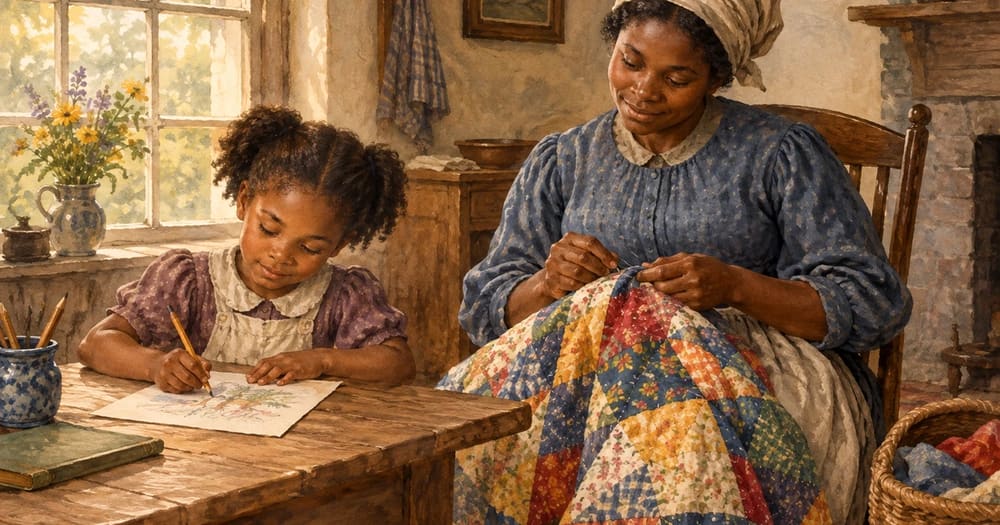
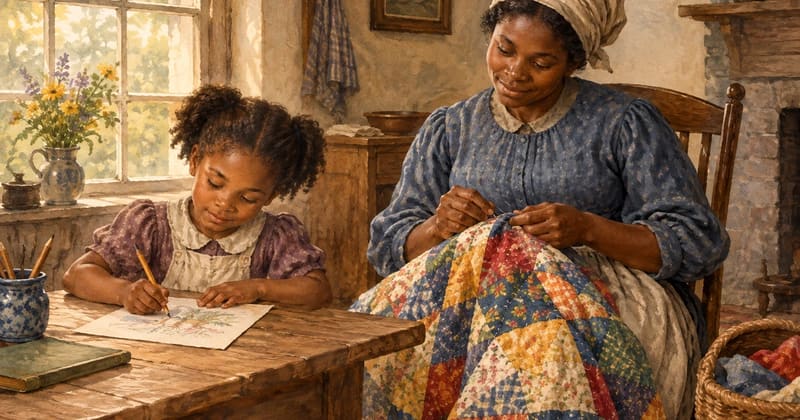
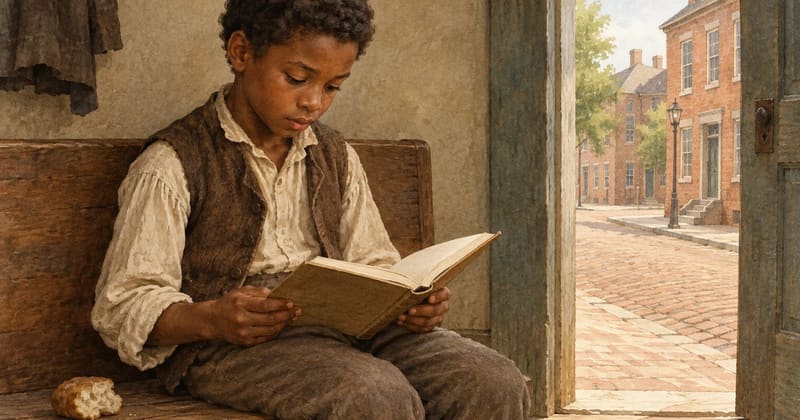
Follow the surprising ways a young Frederick Douglass found opportunities to learn.
 Wonder Series
Meet the writer and speaker who worked with others to challenge slavery and injustice.
 Home Education
A gentle, practical guide to deschooling and finding your family’s rhythm in the first weeks of home education.
 Wonder Series
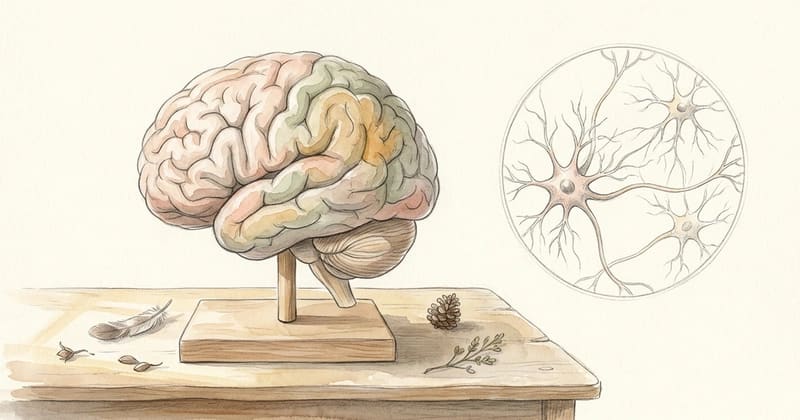
Discover the story behind a famous neuron estimate, how nerve cells communicate and how their connections can change.
 Wonder Series
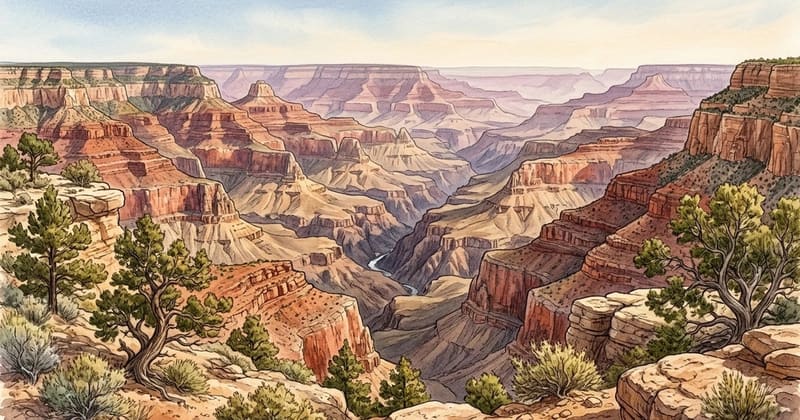
Follow the Grand Canyon’s rock layers, rising land and moving water, with a missing-time rabbit hole and a paper-layer activity.
 Wonder Series
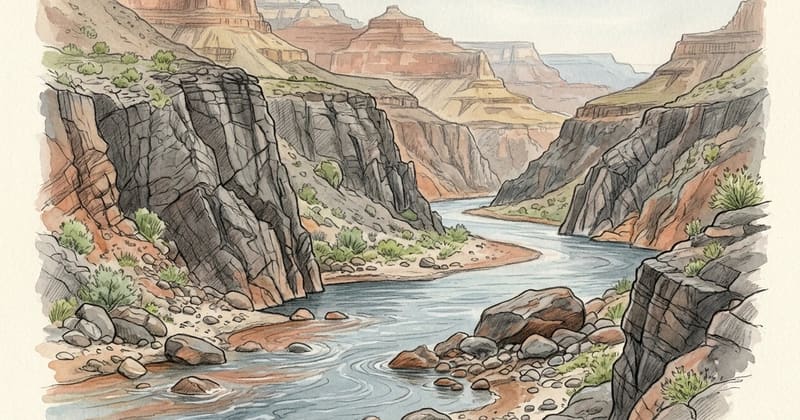
Explore the canyon as a collection of habitats, meeting bighorn sheep, condors and native fish before drawing a habitat cross-section.
 Wonder Series
A present-tense introduction to distinct Native Nations, community voices, maps and Havasupai Gardens, with a local place-name investigation.
 Wonder Series
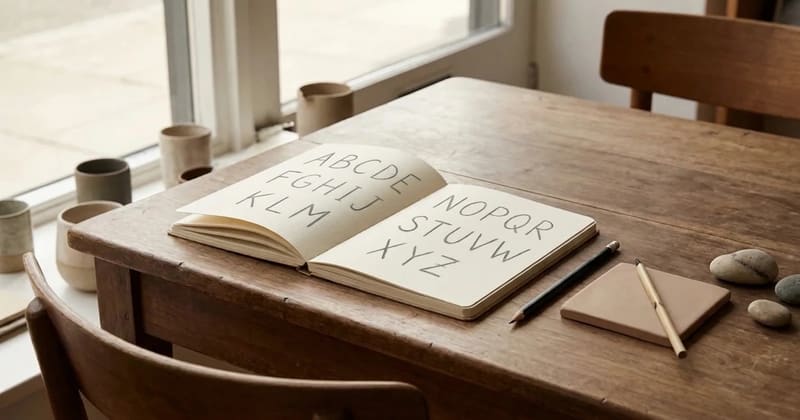
An ox hiding in A, letters travelling between languages, and an ancient mystery still unfolding: follow the story of our alphabet, then invent a few signs of your own.
 Wonder Series
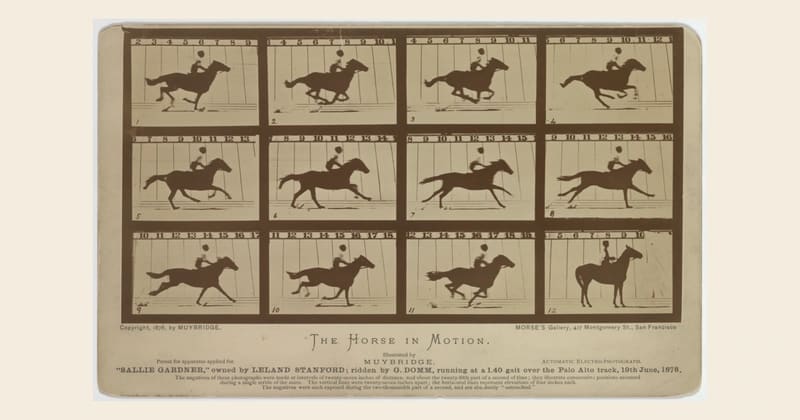
Explore how a row of cameras revealed a galloping horse's movement, then investigate a toy's journey one moment at a time.
 Wonder Series
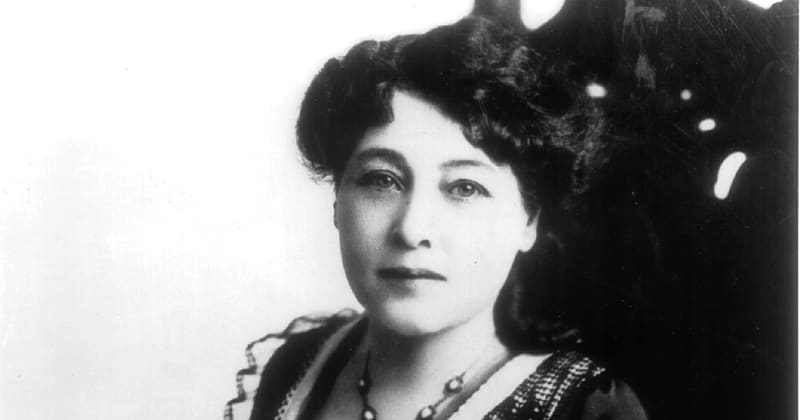
Meet a pioneering filmmaker, discover how actions tell a story and plan a tiny wordless film of your own.
 Wonder Series
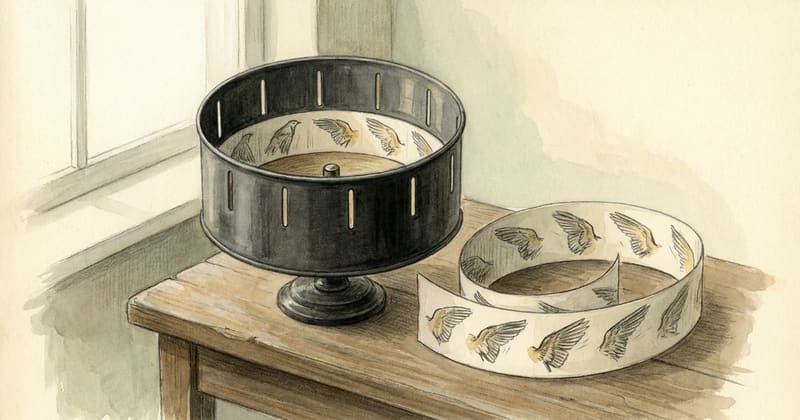
Explore the picture sequences, viewing slits and repeating loops inside a zoetrope, then try a tiny flip-book experiment.
 Wonder Series
Is most of your brain really waiting to be switched on? Explore the 10% myth, discover the teamwork inside your head and notice it through a shared story.
 Wonder Series
What is a nomad? Explore planned journeys, portable homes and the knowledge that helps Mongolian pastoral families move with animals and seasons.
 Wonder Series
Look closely at Dalí’s tiny, dreamlike painting and discover what we know—and still wonder—about its famous melting clocks.
 Wonder Series
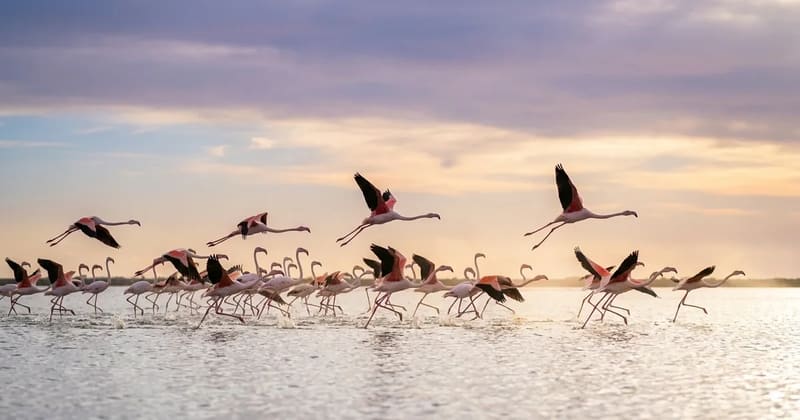
Explore 100+ collective nouns for animals, from a murder of crows to a flamboyance of flamingos, with clear answers and curious histories.
 Wonder Series
Discover how flamingos take off, how far and fast they travel, why many fly at night, and why their black wing feathers are usually hidden.
 Wonder Series
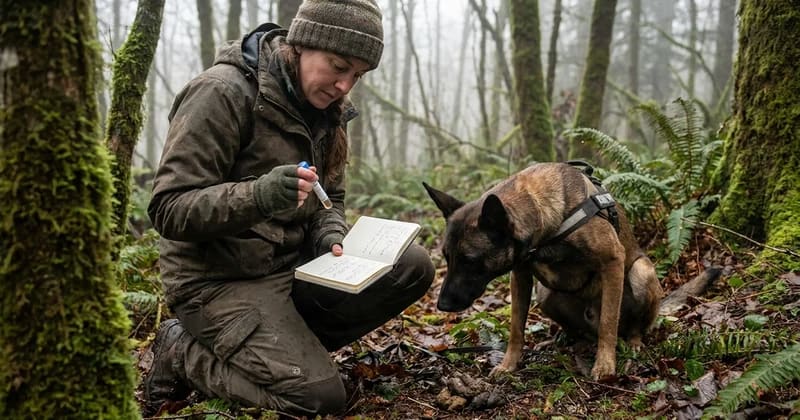
Poo detectives, sniffer dogs and fossil poop: the real, true science of how scientists use animal droppings to solve mysteries.
 Wonder Series
Why is the sky blue? Explore light and scattering, discover Mars's blue sunsets, and try a simple sky-in-a-glass experiment.
 Home Education
A gentle UK guide to home education for ages 4–7, covering the law, realistic rhythms, and simple ways to start without pressure.
 Home Education
The ten most common homeschooling myths, taken apart one at a time with real UK sources — plus an honest look at the challenges that aren't myths at all.
 Home Education
UK home educators do not have to follow the National Curriculum, and this guide explains what the law actually requires in calm, practical terms.
 Home Education
What is child-led learning and how do you do it at home? An honest, research-backed guide from a home-educating mum — and the story of The Wonder Curriculum.
 Home Education
How to start home educating in the UK: the law, a deregistration letter template, the rules in all four nations, costs, and a calm first month.
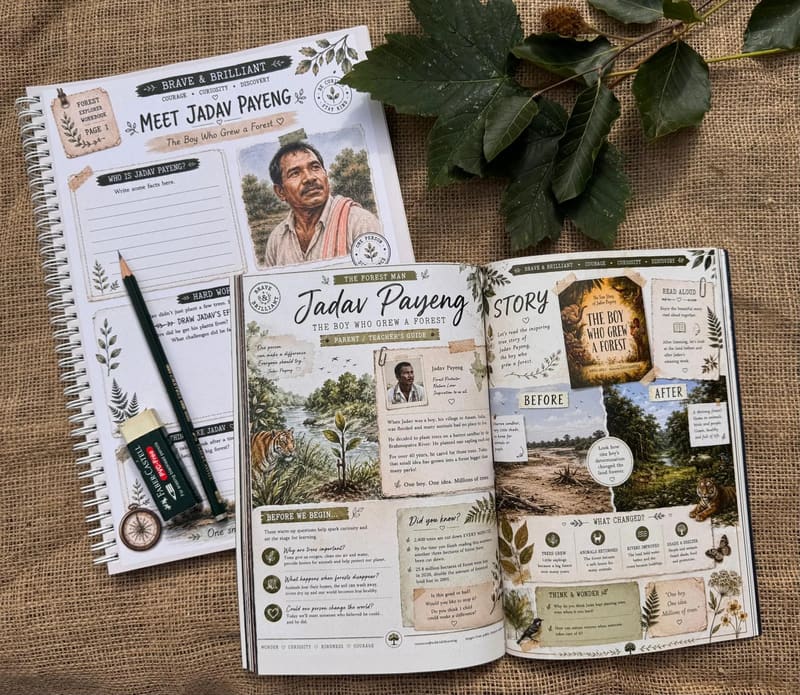 Home Education
A gentle guide to choosing a home education curriculum in the UK — every approach explained, what the law actually requires, and how to find what fits your family.
No articles match your search.
Every Sunday we release a new wonder-led lesson: one big question for your family to explore together at home. Here’s this week’s.
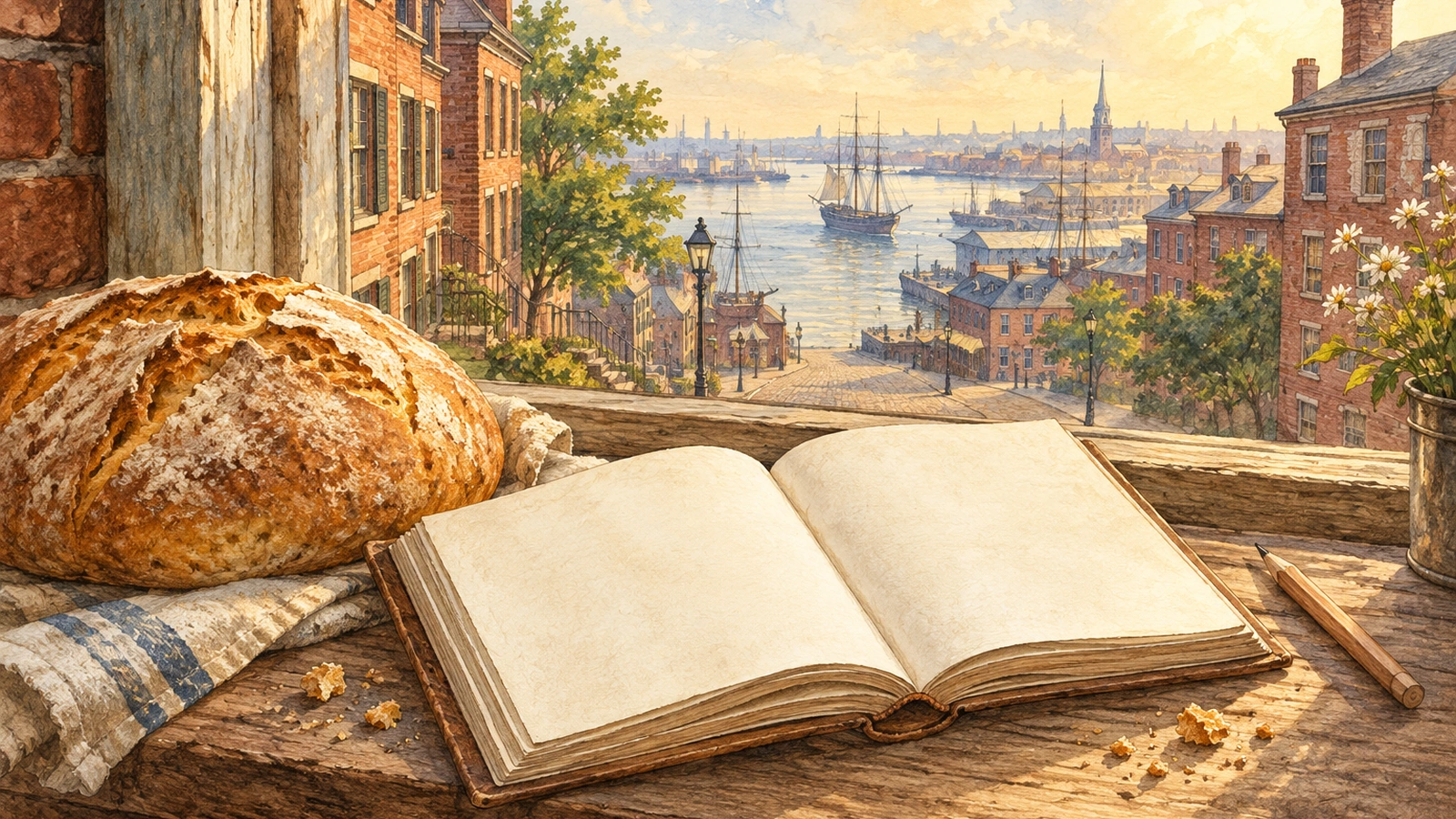
A guided Wonder lesson in eight steps. Learn Frederick Douglass’s story, from the author’s own read-aloud to a bread swap of their own, while you follow along beside them.
£6.99